Hypertension, commonly known as high blood pressure, is one of the world’s most prevalent health conditions. It quietly damages your body for years before symptoms develop — hence its nickname, “the silent killer.” Left unchecked, it can lead to heart attacks, strokes, and kidney failure. But the good news? It’s manageable and even preventable with the right lifestyle and care.
What Is Hypertension?
Blood pressure refers to the force of your blood pushing against the walls of your arteries. When that pressure stays consistently high, it strains your heart and blood vessels.
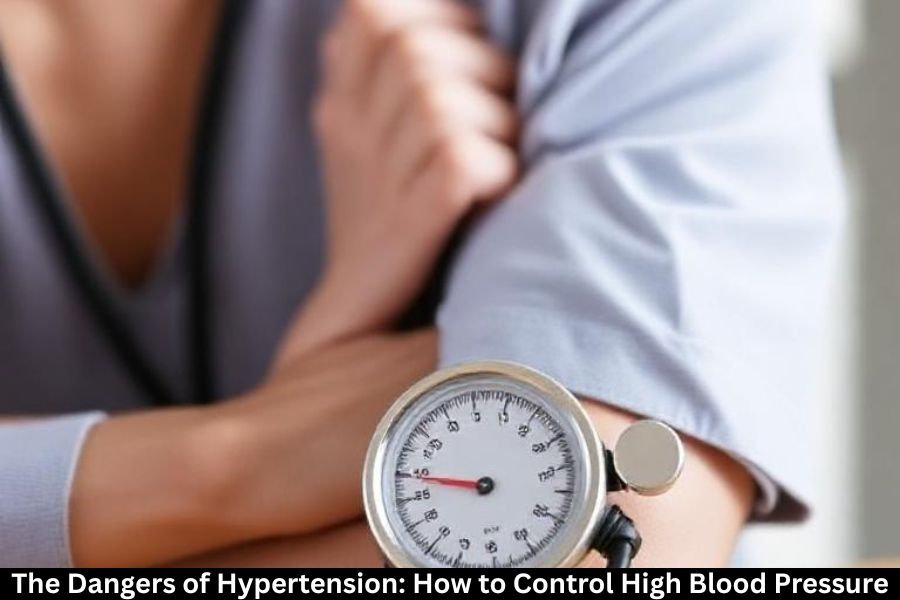
How Blood Pressure Is Measured
It’s measured using two numbers:
- Systolic Pressure (top number): Pressure when your heart beats.
- Diastolic Pressure (bottom number): Pressure when your heart rests between beats.
A healthy reading is usually below 120/80 mmHg. Anything above 130/80 mmHg is considered hypertension.
Types of Hypertension
Primary (Essential) Hypertension
This is the most common form, developing gradually over many years with no identifiable cause.
Secondary Hypertension
This form results from an underlying condition like kidney disease, hormonal imbalance, or medication side effects. It often appears suddenly and may cause higher readings than primary hypertension.
Causes and Risk Factors
Hypertension can result from several factors — some you can control and others you can’t.
Genetic Factors
If high blood pressure runs in your family, you might be more likely to develop it.
Unhealthy Lifestyle Choices
A diet high in salt and processed foods, lack of physical activity, and excessive alcohol or tobacco use increase your risk.
Age and Gender
Men are more prone to hypertension earlier in life, but women’s risk increases after menopause.
Stress and Sleep Deprivation
Chronic stress and inadequate sleep raise blood pressure by keeping your body in a constant “fight or flight” mode.
The Hidden Dangers of High Blood Pressure
Damage to the Heart
Hypertension makes your heart work harder, which can lead to heart failure or heart attacks.
Stroke and Brain Complications
High blood pressure damages arteries, making them prone to rupture or blockage — leading to strokes.
Kidney Disease
Your kidneys filter waste from your blood. High pressure can damage those tiny vessels, causing kidney failure over time.
Vision Loss
High blood pressure can harm the delicate blood vessels in your eyes, leading to blurred vision or blindness.
Sexual Dysfunction
For both men and women, hypertension can reduce blood flow, leading to performance issues and decreased satisfaction.
Symptoms of Hypertension
Most people with high blood pressure feel perfectly fine. That’s the danger — it often goes unnoticed until serious damage occurs.
However, some people experience:
- Headaches
- Dizziness
- Nosebleeds
- Shortness of breath
If you experience these symptoms frequently, it’s time to check your blood pressure.
Diagnosing Hypertension
Doctor Checkups
A healthcare provider will measure your blood pressure over several visits to confirm a diagnosis.
Home Monitoring
Investing in a digital monitor can help you track your readings and notice patterns early.
Lifestyle Changes to Control Hypertension
Healthy Diet (DASH Diet)
The DASH diet (Dietary Approaches to Stop Hypertension) emphasizes fruits, vegetables, lean proteins, and whole grains while reducing sodium and processed foods.
Limiting Salt and Processed Foods
Aim to keep sodium intake below 1,500–2,300 mg per day — that’s about one teaspoon of salt!
Regular Physical Activity
Just 30 minutes of brisk walking five times a week can make a huge difference.
Maintaining a Healthy Weight
Even losing 5–10% of your body weight can lower blood pressure significantly.
Managing Stress
Try meditation, yoga, or simple breathing exercises. Sometimes, taking a walk in nature works wonders.
Medical Treatments for Hypertension
Common Medications
Doctors often prescribe:
- Diuretics (to flush out extra sodium and water)
- ACE Inhibitors
- Beta-Blockers
- Calcium Channel Blockers
Regular Check-Ups
Never stop medication without consulting your doctor — even if your readings improve.
Natural Remedies and Home Strategies
Small daily changes can go a long way:
- Drink plenty of water
- Sleep 7–9 hours each night
- Cut back on caffeine and alcohol
- Add potassium-rich foods like bananas and spinach to your diet
Prevention Is Better Than Cure
Early detection through regular screening is key. Even small lifestyle changes today can prevent major health issues tomorrow.
Myths About Hypertension
“I’ll Know If I Have It”
Wrong. Most people don’t feel symptoms until serious damage occurs.
“Only Older People Get It”
Hypertension can affect anyone — even teenagers — especially with today’s fast-food diets and stressful lifestyles.
Long-Term Management Tips
Stay consistent. Track your readings, follow your doctor’s plan, and celebrate small victories. Support from family and friends can keep you motivated.
When to Seek Emergency Care
If your blood pressure reading is above 180/120 mmHg, and you experience chest pain, shortness of breath, or vision problems, seek immediate medical attention. This is called a hypertensive crisis and can be life-threatening.
Conclusion
Hypertension doesn’t have to control your life — you can control it. With healthy habits, medication (if needed), and regular monitoring, you can keep your blood pressure in check and live a long, heart-healthy life. Remember: the small choices you make daily can protect you from big health problems tomorrow.
FAQs
1. Can hypertension be cured completely?
No, but it can be managed effectively with the right lifestyle and medication.
2. Does coffee raise blood pressure?
Yes, caffeine can cause short-term spikes, especially if you’re sensitive to it.
3. Is high blood pressure hereditary?
Genetics play a role, but lifestyle has an even bigger impact.
4. How often should I check my blood pressure?
If you’re healthy, check it every few months. If you have hypertension, monitor it weekly or as advised by your doctor.
5. Can exercise lower blood pressure naturally?
Absolutely! Regular exercise improves heart function and lowers blood pressure over time.