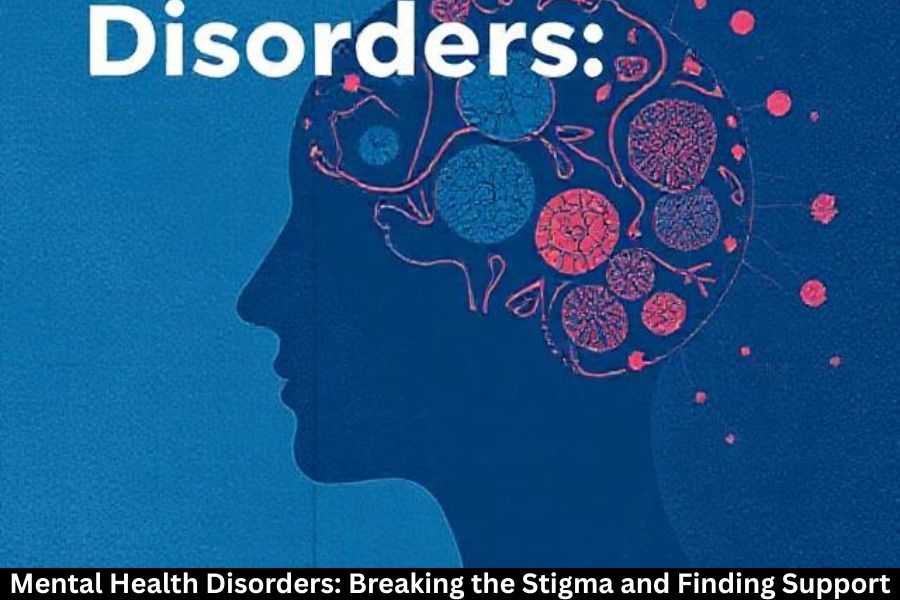
Mental health is just as important as physical health, yet for far too long, it has been shrouded in silence and stigma. Millions of people around the world live with mental health disorders, but fear of judgment often prevents them from seeking help. It’s time to change that narrative — to talk openly, to listen compassionately, and to support one another.
What Are Mental Health Disorders?
Mental health disorders are conditions that affect how a person thinks, feels, behaves, or relates to others. These conditions range from mild to severe and can impact daily functioning, relationships, and overall quality of life.
Common Mental Health Disorders
Anxiety Disorders
Characterized by excessive fear, worry, or nervousness. Common types include generalized anxiety disorder (GAD), panic disorder, and phobias.
Depression
A persistent feeling of sadness, hopelessness, or lack of interest in activities once enjoyed. It can interfere with work, sleep, and relationships.
Bipolar Disorder
Involves extreme mood swings, from emotional highs (mania) to lows (depression).
Schizophrenia
A complex brain disorder that affects how a person thinks, feels, and perceives reality.
Eating Disorders
Conditions such as anorexia nervosa, bulimia, and binge-eating disorder that involve unhealthy relationships with food and body image.
Post-Traumatic Stress Disorder (PTSD)
Triggered by experiencing or witnessing a traumatic event, leading to flashbacks, nightmares, and emotional distress.
Causes of Mental Health Disorders
Biological Factors
Genetics, chemical imbalances in the brain, and physical illnesses can increase vulnerability to mental health issues.
Environmental Triggers
Stressful life events like loss, trauma, or abuse often act as triggers.
Psychological Influences
Low self-esteem, negative thinking patterns, or a history of neglect can contribute to mental health problems.
Warning Signs and Symptoms
Recognizing early warning signs can lead to faster treatment and better outcomes.
- Persistent sadness or anxiety
- Social withdrawal
- Changes in sleep or appetite
- Difficulty concentrating
- Thoughts of self-harm
If you or someone you know shows these symptoms, it’s crucial to reach out for help.
The Impact of Stigma on Mental Health
Stigma is one of the biggest barriers to mental health recovery. Many people fear being labeled “weak” or “crazy,” so they suffer in silence. Society’s misunderstanding often prevents individuals from accessing the care they need.
How Stigma Affects Recovery
It leads to shame, isolation, and a reluctance to seek treatment — making recovery even harder.
The Role of Media and Society
Movies and media often misrepresent mental illness, reinforcing harmful stereotypes that fuel stigma.
Breaking the Stigma
Education and Awareness
Knowledge is power. Learning about mental health helps replace fear and judgment with understanding and empathy.
Open Conversations
Talking about mental health openly — at home, work, and schools — normalizes the topic and helps others feel less alone.
Support Without Judgment
Listening without criticism and offering emotional support can make all the difference in someone’s healing journey.
Finding Support and Treatment Options
Professional Help
Psychiatrists, psychologists, and therapists provide therapy, counseling, and medication to manage symptoms.
Therapy Options
- Cognitive Behavioral Therapy (CBT): Helps change negative thought patterns.
- Dialectical Behavior Therapy (DBT): Focuses on emotional regulation.
- Group Therapy: Offers shared experiences and peer support.
Community and Online Resources
Hotlines, community groups, and online platforms make mental health support more accessible than ever.
The Importance of Self-Care
Self-care isn’t selfish — it’s essential. Setting boundaries, practicing mindfulness, and making time for rest can improve mental health dramatically.
- Practice daily meditation or journaling.
- Exercise regularly — movement helps release “feel-good” hormones.
- Disconnect from digital stressors occasionally.
Supporting Someone with a Mental Health Disorder
If a loved one is struggling, your compassion can help more than you realize.
What to Say
- “I’m here for you.”
- “You’re not alone.”
- “How can I help?”
What Not to Say
- “Just get over it.”
- “You’re being dramatic.”
- “It’s all in your head.”
Encourage professional help and remind them that seeking support is a sign of strength, not weakness.
Overcoming Barriers to Treatment
Financial concerns, cultural taboos, and lack of mental health services prevent many from getting help. Governments and communities must work together to provide affordable and accessible care for everyone.
The Role of Family and Community
Families and communities are vital in recovery. Creating safe spaces where people feel accepted and supported fosters healing and resilience.
Mental Health in the Workplace
Mental well-being at work is essential. Employers can promote it by:
- Offering counseling resources
- Encouraging work-life balance
- Creating an open, stigma-free culture
A healthy mind boosts productivity and creativity.
Living a Healthy, Balanced Life
Recovery is possible. With therapy, medication, and community support, people living with mental health disorders can lead fulfilling, meaningful lives. Remember — healing isn’t linear, but every small step counts.
Conclusion
Breaking the stigma around mental health begins with us. Talking, listening, and supporting each other can transform lives. The more we normalize these conversations, the closer we get to a world where everyone feels safe seeking help. Mental health is health — and it’s time we treat it that way.
FAQs
1. Can mental health disorders be cured?
Many mental health disorders can’t be completely “cured,” but they can be effectively managed with therapy, medication, and lifestyle changes.
2. How can I help someone struggling with mental illness?
Offer empathy, listen without judgment, and gently encourage them to seek professional help.
3. Does talking about mental health really make a difference?
Yes! Open conversations reduce stigma, increase awareness, and help people feel less alone.
4. Are mental health disorders hereditary?
Some are influenced by genetics, but environment and lifestyle play major roles too.
5. What’s the first step in getting help?
Start by talking to your doctor or reaching out to a licensed therapist. Taking that first step is an act of courage.