What Is Obesity?
Obesity is a complex health condition characterized by an excessive accumulation of body fat that negatively impacts overall health. It’s typically measured by Body Mass Index (BMI) — a BMI of 30 or higher is classified as obese. However, obesity goes far beyond numbers; it affects nearly every organ system and can severely reduce one’s quality of life.
Why Obesity Has Become a Global Concern
According to the World Health Organization (WHO), obesity rates have tripled since 1975. Modern lifestyles filled with fast food, minimal movement, and constant stress contribute to this epidemic. It’s no longer just an individual issue — it’s a global public health crisis.
Understanding the Causes of Obesity
Poor Diet and Sedentary Lifestyle
The combination of high-calorie, low-nutrient foods and lack of physical activity is the primary cause of obesity. Processed foods loaded with sugar and unhealthy fats make it easy to overconsume calories while providing little nutritional value.
Genetic and Hormonal Factors
Some people are genetically predisposed to store fat more easily. Hormonal imbalances, such as insulin resistance or thyroid problems, can also make weight management difficult.
Environmental and Psychological Influences
Our environment plays a huge role. Easy access to junk food, long work hours, stress, and emotional eating habits contribute significantly to obesity.
How Obesity Affects Physical Health
Cardiovascular Problems
Obesity increases the risk of heart disease, stroke, and high blood pressure. Excess fat can clog arteries, forcing the heart to work harder.
Type 2 Diabetes
Being overweight interferes with the body’s ability to use insulin properly, leading to insulin resistance and eventually Type 2 diabetes.
Respiratory Disorders
Excess weight around the chest and abdomen can restrict breathing, leading to sleep apnea and shortness of breath.
Joint and Bone Issues
Carrying extra weight puts pressure on joints, increasing the risk of arthritis, back pain, and mobility problems.
Increased Cancer Risk
Obesity has been linked to several types of cancer, including breast, colon, and pancreatic cancers. Chronic inflammation and hormonal changes contribute to this increased risk.
The Mental and Emotional Impact of Obesity
Low Self-Esteem and Body Image Issues
Many people with obesity struggle with negative body image, which can lead to low self-esteem and social withdrawal.
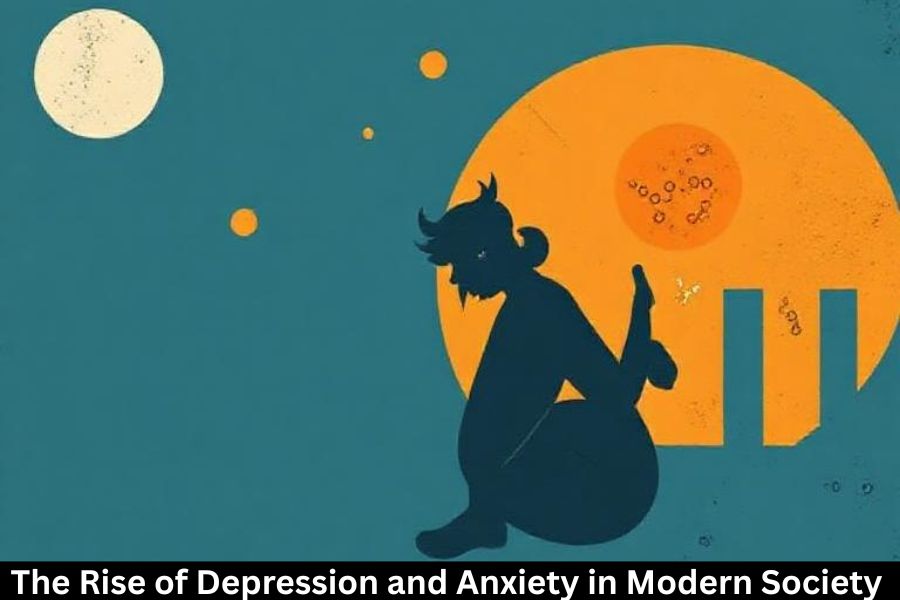
Depression and Anxiety
Obesity can trigger mental health conditions due to hormonal imbalances and social pressures. Likewise, depression may lead to overeating, creating a harmful cycle.
Social Stigma and Discrimination
Sadly, many individuals face bias and discrimination due to their weight — at work, school, or even within healthcare settings. This social stigma often worsens emotional distress and discourages people from seeking help.
Obesity and the Quality of Life
Impact on Daily Activities
Simple tasks like walking, climbing stairs, or playing with kids can become exhausting, limiting independence and enjoyment in life.
Reduced Energy and Productivity
Obesity often leads to fatigue, poor sleep, and reduced stamina, which directly impact work performance and overall energy levels.
Sleep Disorders and Fatigue
Excess body weight is closely associated with sleep apnea, where breathing repeatedly stops during sleep, leading to daytime tiredness and poor concentration.
Childhood Obesity: A Growing Crisis
Causes of Childhood Obesity
Unhealthy diets, increased screen time, and reduced physical play are the main drivers of childhood obesity.
Long-Term Consequences
Children who are obese are more likely to become obese adults and face early onset of diseases like diabetes, hypertension, and heart problems.
Importance of Early Intervention
Encouraging outdoor play, teaching kids about nutrition, and limiting sugary snacks can help build lifelong healthy habits.
The Economic Burden of Obesity
Rising Healthcare Costs
Obesity-related conditions require continuous treatment, leading to billions spent on medical care every year.
Workplace Productivity Loss
Obesity can lead to absenteeism and decreased productivity due to fatigue or health complications.
Economic Impact on Society
From healthcare expenses to reduced workforce participation, obesity imposes a heavy burden on the economy as a whole.
Prevention and Management of Obesity
Building Healthy Eating Habits
Focus on balanced meals that include fruits, vegetables, lean proteins, and whole grains. Avoid skipping meals, as it can lead to overeating later.
Importance of Regular Physical Activity
Aim for at least 150 minutes of moderate activity weekly. Walking, swimming, and cycling are great ways to stay active.
Behavior and Mindset Changes
Sustainable weight loss starts with self-awareness. Track your habits, set realistic goals, and celebrate small victories.
Medical and Surgical Treatments
For severe obesity, doctors may recommend medications or procedures like gastric bypass. These should always be considered under medical supervision.
Nutrition Tips for Weight Management
Balanced Meals and Portion Control
Eating smaller, frequent meals helps control hunger and stabilize metabolism.
Reducing Sugar and Processed Foods
Avoid sugary drinks, fast foods, and packaged snacks — they’re the biggest calorie traps.
Hydration and Healthy Snacking
Drinking enough water supports metabolism. Choose fruits, nuts, or yogurt over chips or sweets.
Role of Mental Health in Obesity Prevention
Emotional Eating and Stress Management
Many people eat in response to stress or emotions rather than hunger. Mindful eating and stress management techniques can break this cycle.
Seeking Support and Counseling
Talking to a therapist or joining a support group can provide motivation and coping strategies for long-term success.
Technology and Modern Solutions
Fitness Apps and Smart Devices
Wearable devices can help track steps, calories, and heart rate, keeping you accountable for your progress.
Online Health Communities
Virtual groups provide social support, diet advice, and motivation, making weight management more achievable.
Public Health Policies and Awareness
Government and Community Programs
Public health initiatives promoting physical education, nutritious school meals, and awareness campaigns are essential to curb obesity rates.
Education and Awareness Campaigns
Teaching people about balanced diets, portion sizes, and active living can empower communities to make healthier choices.
Conclusion: Embracing a Holistic Approach to Health
Obesity is not just about appearance — it’s a serious health condition that affects both the body and mind. Combating it requires a comprehensive approach that includes balanced nutrition, physical activity, emotional well-being, and societal support. Every step toward a healthier lifestyle is a step toward a longer, happier, and more fulfilling life.
FAQs
Can obesity be cured?
While there’s no “quick fix,” obesity can be managed effectively through long-term lifestyle changes and, in some cases, medical treatments.
Is obesity purely genetic?
Genetics play a role, but lifestyle factors like diet and exercise have a much greater influence.
How can I tell if I’m obese?
A BMI of 30 or higher indicates obesity, but waist circumference and body composition also matter.
Does sleep affect obesity?
Yes. Poor sleep disrupts hormones that control hunger, increasing cravings and overeating.
What’s the first step to losing weight safely?
Start by setting realistic goals, making small diet changes, and incorporating daily physical activity.