Understanding Cancer
Cancer isn’t a single disease — it’s a group of diseases characterized by abnormal cell growth that can spread to other parts of the body. These uncontrolled cells can invade nearby tissues and disrupt essential bodily functions. There are more than 100 types of cancer, each affecting different organs and systems.
Why Cancer Awareness Matters
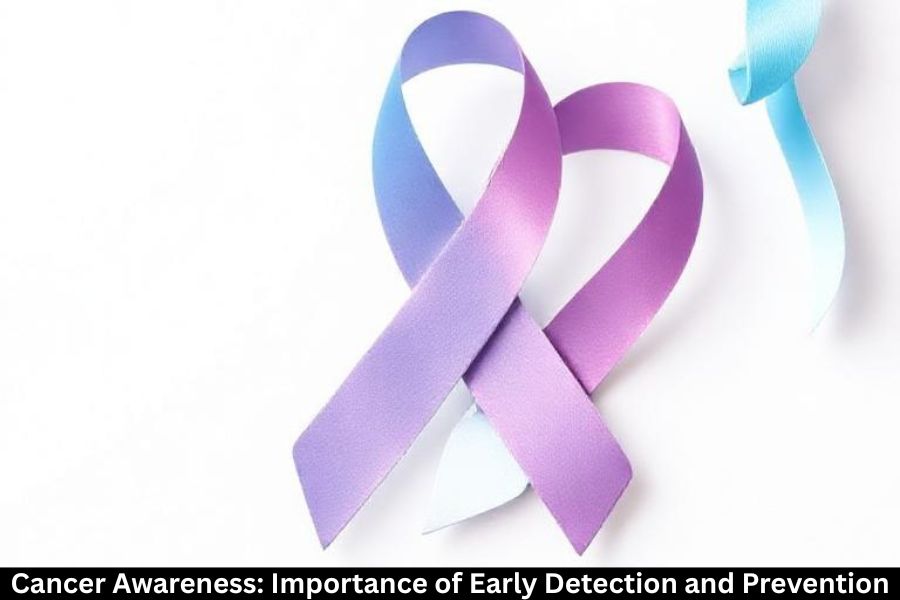
Awareness is the first step toward action. Many people don’t realize that up to 50% of cancer cases are preventable through lifestyle changes, early detection, and proper medical care. Spreading knowledge can help save countless lives by encouraging regular screening and healthy habits.
What Is Cancer?
How Cancer Develops
Cancer starts when normal cells undergo genetic mutations, causing them to grow uncontrollably. Over time, these cells can form tumors or travel through the bloodstream and lymphatic system to spread elsewhere in the body (metastasis).
Common Types of Cancer
The most common cancers include breast, lung, colorectal, prostate, and cervical cancers. Each has different risk factors, symptoms, and screening methods.
The Global Burden of Cancer
Rising Cancer Rates Worldwide
According to the World Health Organization (WHO), cancer is one of the leading causes of death worldwide. Millions of new cases are diagnosed each year, and the numbers continue to rise due to aging populations and unhealthy lifestyles.
The Impact on Individuals and Families
Cancer doesn’t affect only the patient — it impacts families emotionally, financially, and psychologically. Awareness and early detection can reduce this burden significantly.
Importance of Early Detection
How Early Diagnosis Saves Lives
Catching cancer early often means more treatment options and higher survival rates. For example, breast and cervical cancers detected at an early stage can be treated effectively with minimal interventions.
Common Cancer Screening Methods
- Mammograms: Detect breast cancer in women.
- Pap Smear Tests: Identify early signs of cervical cancer.
- Colonoscopy: Screens for colorectal cancer.
- PSA Test: Detects prostate cancer in men.
- Low-Dose CT Scans: Used for lung cancer screening, especially in smokers.
Recognizing Warning Signs and Symptoms
Unexplained weight loss, persistent fatigue, lumps, abnormal bleeding, or long-lasting pain should never be ignored. Early medical evaluation can make all the difference.
Prevention Is Better Than Cure
The Power of Healthy Lifestyle Choices
Simple changes like eating nutritious foods, exercising regularly, and avoiding harmful habits can drastically lower cancer risk.
Reducing Exposure to Risk Factors
Avoid tobacco, limit alcohol, protect yourself from UV rays, and stay cautious around harmful chemicals or radiation exposure.
The Role of Vaccinations
Vaccines such as the HPV vaccine and Hepatitis B vaccine help prevent cancers caused by viruses like human papillomavirus and hepatitis infections.
Major Risk Factors for Cancer
Tobacco and Alcohol Use
Tobacco is responsible for nearly one-third of cancer deaths globally. Alcohol consumption increases the risk of liver, breast, and mouth cancers.
Unhealthy Diet and Obesity
Diets high in processed foods, sugars, and saturated fats contribute to obesity — a known risk factor for various cancers.
Lack of Physical Activity
A sedentary lifestyle can lead to obesity and hormonal imbalances, both of which raise cancer risk.
Environmental and Occupational Risks
Exposure to pollution, radiation, or carcinogenic chemicals (like asbestos) can increase cancer risk over time.
Genetic Predisposition
Certain cancers run in families. Genetic testing and regular checkups are crucial for people with a family history of cancer.
Screening and Regular Checkups
Why Regular Screenings Are Essential
Routine screenings can detect abnormal cells before they become cancerous. Early detection often leads to more successful treatment outcomes.
Cancer Screening Tests for Men and Women
- Women: Mammograms, Pap smears, and HPV tests.
- Men: Prostate exams and colonoscopies.
- Both: Skin checks, oral exams, and low-dose CT scans if at risk.
Nutrition and Cancer Prevention
Antioxidant-Rich Foods
Fruits and vegetables like berries, leafy greens, and citrus fruits are rich in antioxidants that help neutralize free radicals.
Limiting Processed Foods and Red Meat
Processed meats and excessive red meat are linked to colorectal cancer. Choose lean proteins like fish, legumes, and poultry instead.
Importance of Hydration
Drinking plenty of water helps flush toxins and supports overall cellular health.
Physical Activity and Cancer Prevention
How Exercise Reduces Cancer Risk
Exercise boosts immunity, reduces inflammation, and helps regulate hormones — all of which play a role in preventing cancer.
Recommended Physical Activity Levels
Aim for at least 30 minutes of moderate exercise five days a week, such as brisk walking, cycling, or swimming.
Role of Mental Health in Cancer Prevention
Stress and Its Connection to Cancer
While stress doesn’t directly cause cancer, chronic stress weakens the immune system and may lead to unhealthy coping behaviors like smoking or overeating.
Positive Thinking and Emotional Well-being
A positive mindset and emotional balance support the body’s healing processes and improve overall resilience.
Cancer Awareness Campaigns and Education
How Awareness Saves Lives
Public awareness campaigns encourage people to recognize early symptoms and get regular screenings. Knowledge empowers prevention.
Community and Government Initiatives
Many countries organize cancer awareness months — like Breast Cancer Awareness in October — to educate the public and promote screenings.
Technological Advances in Early Detection
AI and Machine Learning in Cancer Diagnosis
Artificial intelligence can now detect cancer patterns in medical imaging faster and more accurately than ever before.
Genetic Testing and Personalized Screening
Genetic testing allows individuals to assess their risk and plan preventive strategies based on their genetic makeup.
Supporting Cancer Patients and Survivors
Importance of Emotional and Social Support
Emotional strength plays a crucial role in recovery. Family, friends, and support groups help patients navigate the challenges of treatment.
Survivorship and Recovery
Life after cancer is about rebuilding — focusing on nutrition, mental health, and ongoing monitoring to prevent recurrence.
Conclusion: A Shared Responsibility Toward Cancer Prevention
Cancer awareness and early detection aren’t just medical responsibilities — they’re societal ones. By educating ourselves, promoting healthy lifestyles, and encouraging regular screenings, we can reduce the burden of cancer globally. Prevention truly begins with awareness — and awareness begins with you.
FAQs
Why is early detection so important in cancer?
Because it allows treatment before the disease spreads, greatly improving survival rates.
How often should I get screened for cancer?
It depends on your age, gender, and risk factors. Most adults should begin screenings by age 40–50 or earlier if advised by a doctor.
Can diet really prevent cancer?
Yes. A balanced diet rich in fruits, vegetables, and whole grains can significantly reduce cancer risk.
Are all cancers preventable?
Not all, but many are. About half of all cancers can be prevented by avoiding risk factors and maintaining a healthy lifestyle.
What are the first steps toward cancer prevention?
Quit smoking, eat well, stay active, get vaccinated, and schedule regular screenings.