Understanding Chronic Respiratory Diseases
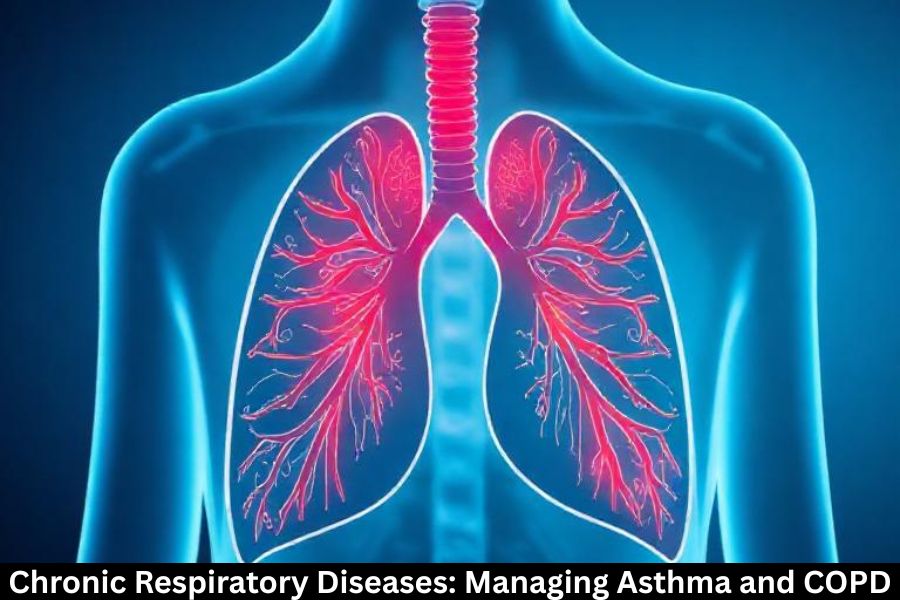
Chronic respiratory diseases (CRDs) are long-term conditions that affect the airways and other parts of the lungs. They often restrict airflow and make breathing difficult. The two most common CRDs — asthma and chronic obstructive pulmonary disease (COPD) — impact millions of people worldwide and can severely affect quality of life if not managed properly.
The Global Burden of Asthma and COPD
According to the World Health Organization (WHO), over 300 million people globally live with asthma, and COPD ranks as the third leading cause of death worldwide. While both conditions can be managed effectively, lack of awareness and poor treatment adherence remain major challenges.
What Are Chronic Respiratory Diseases?
Definition and Overview
CRDs refer to diseases of the airways and other lung structures that cause long-term breathing problems. Unlike short-term infections, they persist for years or even a lifetime.
Common Types and Their Differences
The most common CRDs include asthma, COPD, pulmonary hypertension, and occupational lung diseases. Among them, asthma and COPD are the most widespread and impactful.
Understanding Asthma
What Causes Asthma?
Asthma is a chronic inflammatory condition of the airways, leading to narrowed air passages and difficulty breathing. It can be triggered by allergens, pollution, or respiratory infections.
Common Triggers
- Dust mites
- Pollen
- Pet dander
- Cold air
- Smoke or strong odors
Symptoms and Diagnosis
Symptoms include wheezing, coughing, chest tightness, and shortness of breath. Diagnosis is typically made using lung function tests (spirometry) and a thorough medical history.
Understanding COPD (Chronic Obstructive Pulmonary Disease)
What Is COPD?
COPD is a progressive disease that causes airflow blockage and breathing difficulties. It includes conditions like emphysema and chronic bronchitis.
Main Causes and Risk Factors
The primary cause of COPD is smoking, but long-term exposure to air pollution, dust, and chemical fumes also plays a significant role. Genetics may contribute in some cases.
Symptoms and Progression
Common symptoms include:
- Persistent cough with mucus
- Wheezing
- Fatigue
- Shortness of breath during activity
As COPD progresses, these symptoms become more severe and can limit daily activities.
Asthma vs. COPD: Key Differences
| Aspect | Asthma | COPD |
|---|---|---|
| Onset | Often in childhood | Usually in adults over 40 |
| Cause | Allergens, genetics | Smoking, pollutants |
| Reversibility | Reversible airway obstruction | Irreversible airflow limitation |
| Progression | Intermittent | Gradual and progressive |
Both conditions require careful management, but COPD tends to worsen over time if not properly controlled.
The Role of Environmental Factors
Air Pollution and Its Effects
Airborne pollutants — including dust, vehicle emissions, and industrial smoke — can worsen both asthma and COPD symptoms.
Smoking and Secondhand Smoke
Cigarette smoke is the most significant cause of COPD and a major trigger for asthma attacks. Avoiding both active and passive smoking is critical.
Occupational Hazards
Workers exposed to dust, fumes, or chemicals (like miners or factory workers) are at higher risk for developing chronic respiratory conditions.
How Lifestyle Affects Respiratory Health
Importance of Physical Activity
Regular exercise strengthens respiratory muscles, improves lung capacity, and boosts overall energy levels.
Healthy Diet and Lung Function
A balanced diet rich in antioxidants (like fruits, vegetables, and omega-3 fatty acids) supports lung health and reduces inflammation.
Stress and Breathing
Chronic stress can worsen breathing difficulties. Relaxation techniques such as deep breathing, yoga, or meditation can help.
Managing Asthma Effectively
Identifying and Avoiding Triggers
Keeping a diary of triggers helps reduce flare-ups. Using air purifiers and keeping the home dust-free are simple preventive steps.
Using Inhalers and Medications Properly
Inhalers are life-saving tools, but correct usage is crucial. Always follow your doctor’s instructions for dosage and technique.
Monitoring Lung Function
Regular checkups and spirometry tests help track progress and adjust treatment plans as needed.
Managing COPD for Better Quality of Life
Breathing Exercises and Pulmonary Rehabilitation
Programs that include breathing techniques, physical training, and education can significantly improve quality of life.
Oxygen Therapy
For severe COPD, supplemental oxygen may be necessary to maintain adequate oxygen levels in the blood.
The Importance of Vaccinations
Flu and pneumonia vaccines are essential to prevent respiratory infections that can worsen COPD symptoms.
The Role of Medication in Treatment
Long-Term vs. Short-Term Medications
Short-acting inhalers relieve immediate symptoms, while long-term medications help control inflammation and prevent flare-ups.
Inhaled Corticosteroids and Bronchodilators
These medications reduce airway inflammation and open up the air passages, making breathing easier.
Emerging Therapies
New biologic drugs and smart inhalers are revolutionizing treatment by offering personalized solutions based on patient needs.
Preventive Strategies for Respiratory Diseases
Quitting Smoking
It’s never too late to quit. Within weeks of quitting, lung function begins to improve, and risks decrease over time.
Reducing Exposure to Pollutants
Wearing masks, avoiding outdoor activity during high-pollution days, and maintaining good indoor air quality are effective steps.
Regular Medical Checkups
Routine evaluations help detect early signs of deterioration and prevent complications.
Coping with Emotional and Social Challenges
Mental Health and Chronic Illness
Living with asthma or COPD can be emotionally draining. Feelings of anxiety or depression are common but manageable with counseling or support groups.
Building a Support System
Having friends, family, and healthcare professionals who understand your journey can make disease management easier and less isolating.
Advances in Respiratory Care
Digital Health Tools and Smart Inhalers
Smart inhalers track medication use and provide reminders, helping patients stay consistent with treatment.
Future Treatments and Innovations
Ongoing research focuses on regenerative therapies and personalized medicine to repair lung tissue and stop disease progression.
Conclusion: Breathing Easier—Taking Control of Your Lung Health
Asthma and COPD may be lifelong conditions, but with awareness, proper management, and a proactive lifestyle, it’s entirely possible to live well. Prevention, early detection, and adherence to treatment are the cornerstones of maintaining healthy lungs and a better quality of life. Remember — every breath matters, so protect it wisely.
FAQs
What’s the main difference between asthma and COPD?
Asthma is usually reversible and often starts in childhood, while COPD develops in adults and causes permanent lung damage.
Can asthma turn into COPD?
Not exactly, but people with poorly controlled asthma and a history of smoking may develop similar symptoms.
How can I prevent COPD?
Avoid smoking, reduce exposure to pollutants, and get vaccinated against flu and pneumonia.
What are the best exercises for asthma and COPD patients?
Walking, cycling, and breathing exercises are great for improving lung capacity.
Can COPD be cured?
There’s no cure, but symptoms can be managed effectively with medications, lifestyle changes, and pulmonary rehabilitation.