Memory is the thread that connects our past, present, and future. But what happens when that thread begins to unravel? Alzheimer’s disease, one of the most common causes of memory loss, affects millions worldwide. It’s more than just forgetfulness—it’s a progressive brain disorder that changes how a person thinks, feels, and lives. Understanding Alzheimer’s is the first step toward compassion, prevention, and better care.
What Is Alzheimer’s Disease?
Alzheimer’s disease is a degenerative brain disorder that gradually destroys memory, thinking skills, and the ability to carry out simple tasks. It’s the most common form of dementia, accounting for 60–80% of dementia cases.
How It Differs from Normal Aging
Occasional forgetfulness is part of aging, but Alzheimer’s is different. It causes severe memory loss and confusion that interfere with daily life. People with Alzheimer’s might forget familiar faces, struggle with speech, or lose the ability to plan or make decisions.
Stages of Alzheimer’s Disease
- Mild (Early Stage): Subtle memory lapses and confusion.
- Moderate (Middle Stage): Noticeable memory decline and behavioral changes.
- Severe (Late Stage): Loss of physical abilities and communication skills, requiring full-time care.
The Science Behind Alzheimer’s
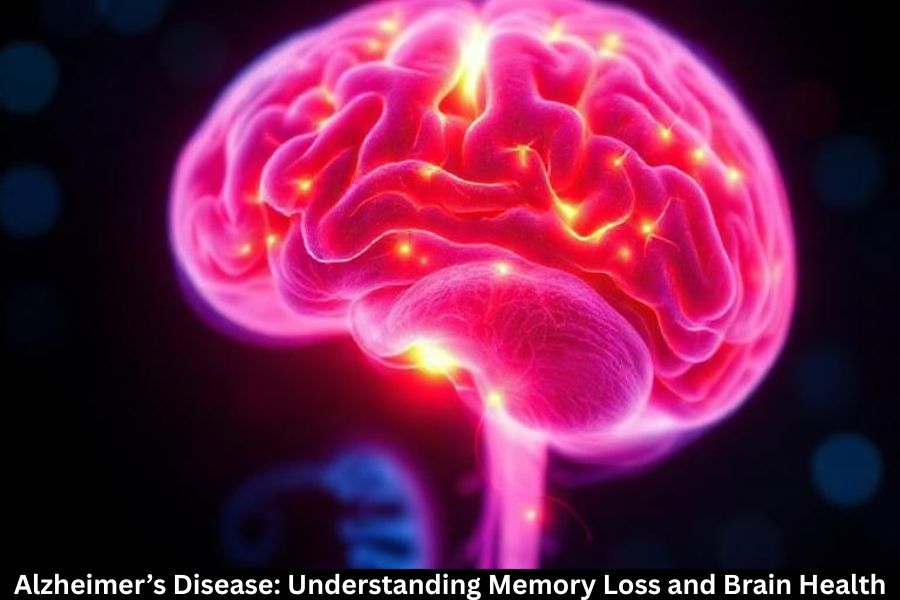
Inside the brain, Alzheimer’s damages neurons—the cells that communicate information. Two abnormal structures play key roles:
- Amyloid plaques: Sticky protein clumps that disrupt cell communication.
- Tau tangles: Twisted fibers inside brain cells that block nutrient flow.
Over time, neurons die, causing brain shrinkage, particularly in areas that control memory and reasoning.
Early Signs and Symptoms
Recognizing symptoms early can make a big difference.
- Memory loss that affects daily tasks.
- Difficulty problem-solving or planning.
- Confusion with time or place.
- Trouble understanding visual images or spatial relationships.
- Mood and personality changes.
If you or a loved one experience these signs, consult a doctor. Early detection can help manage symptoms more effectively.
Causes and Risk Factors
There’s no single cause of Alzheimer’s, but several factors increase risk:
- Age: Most common after 65.
- Genetics: Family history and specific genes like APOE ε4.
- Lifestyle: Poor diet, lack of exercise, smoking, and high stress.
- Health conditions: Diabetes, heart disease, and high cholesterol.
The Connection Between Memory and Brain Health
Memory relies on a healthy brain network. When neurons break down, communication between brain cells weakens, leading to memory gaps. Activities that stimulate the brain—like reading, learning new skills, or solving puzzles—can strengthen these connections and delay cognitive decline.
Diagnosis and Medical Evaluation
Doctors use various tools to diagnose Alzheimer’s, including:
- Cognitive tests to assess memory and reasoning.
- Brain imaging (MRI, CT scans) to detect structural changes.
- Blood and genetic tests to rule out other conditions.
Early diagnosis allows patients and families to plan treatment and make lifestyle changes sooner.
Treatment and Management Options
There’s no cure yet, but treatments can help slow progression and manage symptoms.
- Medications like donepezil or memantine can improve communication between brain cells.
- Therapies such as cognitive stimulation and behavior management can enhance quality of life.
- Support groups provide emotional and practical guidance for families.
The Role of Nutrition in Brain Health
Your diet directly impacts your brain. Foods rich in omega-3 fatty acids, antioxidants, and vitamins support cognitive function.
- Eat more: Leafy greens, nuts, fatty fish, berries, and olive oil.
- Avoid: Processed foods, refined sugar, and excessive alcohol.
The MIND diet, a mix of the Mediterranean and DASH diets, has been shown to lower the risk of Alzheimer’s by up to 50%.
The Importance of Mental and Physical Exercise
Just like your body, your brain needs exercise. Activities like brisk walking, yoga, or swimming improve blood flow to the brain. Mental exercises—like puzzles, reading, or learning languages—keep neural pathways strong. Meditation also reduces stress and boosts focus.
Preventive Measures and Healthy Habits
You can take steps to protect your brain health:
- Get 7–8 hours of sleep — the brain clears toxins while you rest.
- Stay socially connected — loneliness increases cognitive decline risk.
- Quit smoking and limit alcohol.
- Manage chronic conditions like hypertension or diabetes.
Emotional and Social Impact
Alzheimer’s affects not just the individual but everyone around them. Family members often experience emotional stress, exhaustion, and grief. Support groups, counseling, and respite care can help caregivers maintain their own well-being while caring for loved ones.
Advances in Research and Hope for the Future
Scientists are working tirelessly to understand Alzheimer’s better. New treatments aim to remove amyloid plaques, reduce inflammation, and protect neurons. Artificial intelligence is being used to detect early cognitive decline through brain scans and speech patterns. There’s growing hope that with continued research, prevention and reversal might one day be possible.
Conclusion
Alzheimer’s disease reminds us how precious memory and connection truly are. While we may not have a cure yet, awareness, healthy living, and compassion can go a long way in protecting brain health and improving lives. Every step toward understanding Alzheimer’s brings us closer to hope — for patients, families, and future generations.
FAQs
What is the main cause of Alzheimer’s disease?
It’s caused by abnormal protein buildup in the brain, genetic factors, and age-related brain changes.
Can Alzheimer’s be prevented?
While it can’t be completely prevented, healthy habits—like regular exercise, good sleep, and a balanced diet—can reduce risk.
How is Alzheimer’s different from dementia?
Dementia is a general term for cognitive decline; Alzheimer’s is a specific disease that causes most dementia cases.
What are the first warning signs of Alzheimer’s?
Persistent memory loss, confusion, and difficulty performing familiar tasks are key early signs.
What can family members do to help a loved one with Alzheimer’s?
Offer patience, create structured routines, and seek professional and community support to manage care effectively.