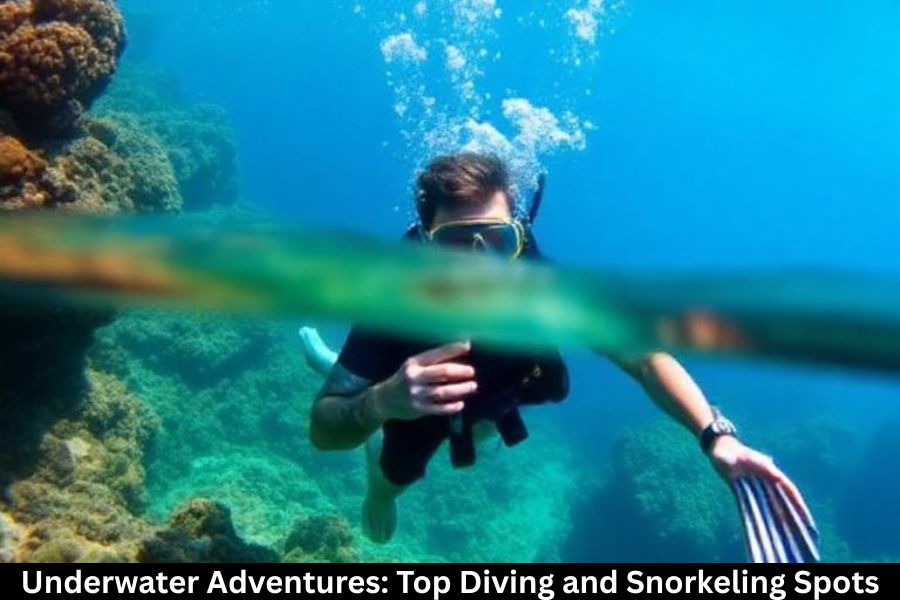
Imagine descending into a crystal-clear world where gravity feels optional, light dances through turquoise waves, and marine creatures glide by with effortless grace. Diving and snorkeling offer a portal into another realm—one filled with vibrant coral gardens, mysterious wrecks, and serene silence. It’s more than a hobby; it’s a life-changing adventure beneath the surface.
Why Diving and Snorkeling Are Must-Try Adventures
Whether you’re floating near the surface or plunging deep into the ocean, underwater adventures reveal the planet’s most extraordinary landscapes. These activities promote mindfulness, connection to nature, and a deep appreciation for the fragile ecosystems that sustain marine life.
Essential Gear for Diving and Snorkeling
Snorkel, Mask, and Fins
A properly fitting mask prevents leaks, while fins help you move efficiently underwater. Comfort is key—your equipment should feel like a natural extension of your body.
Wetsuits and Buoyancy Gear
A wetsuit keeps you warm and protected from sunburn or stings, while a buoyancy control device (BCD) helps divers stay neutrally buoyant underwater.
Safety and Navigation Equipment
Always carry a dive computer, compass, and signaling device for safety—especially when exploring deeper or more remote locations.
Top Diving Destinations Around the World
Great Barrier Reef, Australia
Spanning over 1,400 miles, the Great Barrier Reef is the world’s largest coral reef system. Home to 1,500 fish species and 400 types of coral, it’s a paradise for divers and snorkelers alike.
Blue Hole, Belize
This giant sinkhole plunges over 400 feet deep and is surrounded by crystal-clear waters and coral reefs. Experienced divers can explore its eerie underwater caverns and limestone formations.
Raja Ampat, Indonesia
Often called “the Amazon of the Seas,” Raja Ampat boasts the highest marine biodiversity on Earth. Expect to see manta rays, reef sharks, and kaleidoscopic coral gardens.
Red Sea, Egypt
With calm waters, excellent visibility, and ancient shipwrecks, the Red Sea is ideal for divers of all levels. Sharm El-Sheikh and Dahab are hotspots for underwater exploration.
Galápagos Islands, Ecuador
A UNESCO World Heritage Site, the Galápagos offer encounters with hammerhead sharks, sea lions, and marine iguanas—species found nowhere else on Earth.
Maldives – Coral Kingdom of the Indian Ocean
With over 1,000 coral islands, the Maldives are perfect for luxury diving and snorkeling. Drift among colorful reefs and graceful whale sharks.
Sipadan Island, Malaysia
Famed for its turtle population, Sipadan is a dream for divers. The island’s steep walls are teeming with barracudas, rays, and shimmering fish schools.
Palau, Micronesia
Palau’s Blue Corner and Jellyfish Lake are iconic dive sites that showcase surreal underwater beauty and marine abundance.
Cozumel, Mexico
With drift dives, crystal waters, and healthy reefs, Cozumel offers both thrill and tranquility. It’s perfect for divers seeking vibrant coral life.
Fiji – The Soft Coral Capital of the World
Fiji’s warm waters glow with vivid coral blooms and playful reef fish. It’s an underwater kaleidoscope for snorkelers and divers alike.
Best Snorkeling Spots for Beginners and Families
Hanauma Bay, Hawaii
This protected bay offers calm waters and abundant fish, making it perfect for beginners. It’s a natural aquarium you can access right from the beach.
The Bahamas
The Bahamas feature shallow reefs, shipwrecks, and even underwater sculpture gardens—ideal for easy exploration.
Bora Bora, French Polynesia
The lagoon’s turquoise shallows are home to rays, reef sharks, and vibrant fish—all easily visible while snorkeling.
Key Largo, Florida
Part of the Florida Keys National Marine Sanctuary, Key Largo offers coral reefs and shipwrecks just a short swim from shore.
Phuket, Thailand
Thailand’s warm waters and accessible reefs make Phuket a great choice for first-time snorkelers. Don’t miss Coral Island and Similan Islands.
Wreck Diving: Exploring History Beneath the Waves
SS Thistlegorm, Egypt
This British cargo ship, sunk during World War II, now lies preserved with motorcycles, weapons, and tools still intact—a haunting yet fascinating dive.
USS Liberty, Bali
Located just off the coast of Tulamben, this wreck is easily accessible and teeming with marine life. It’s one of the world’s best beginner wreck dives.
Chuuk Lagoon, Micronesia
A diver’s paradise filled with dozens of WWII shipwrecks, aircraft, and relics. It’s an underwater museum frozen in time.
Marine Life You’ll Encounter Underwater
Colorful Coral Reefs
Reefs are home to an explosion of life—clownfish, anemones, sea fans, and sponges in every imaginable color.
Manta Rays and Whale Sharks
Swimming alongside these gentle giants is a humbling experience. Many destinations, like the Maldives and Mexico, offer safe encounters with them.
Sea Turtles and Dolphins
Sea turtles glide gracefully through tropical waters, while dolphins often accompany divers, curious and playful.
Best Time of Year for Diving and Snorkeling
Timing varies by region. Tropical destinations are best in dry seasons with calm seas and clear visibility. For example, Southeast Asia is best from November to April, while the Caribbean shines from December to May.
Sustainable Diving Practices
Respect the Marine Ecosystem
Avoid standing on coral or chasing marine life. Even small contact can cause lasting damage.
Avoid Touching Coral and Wildlife
Corals are living organisms—touching them can harm or kill them.
Choose Eco-Friendly Dive Operators
Support organizations committed to ocean conservation, reef restoration, and responsible tourism.
Tips for First-Time Divers and Snorkelers
Take a Certified Dive Course
Enroll in a PADI or SSI course to learn safety basics and gain confidence underwater.
Practice Breathing Techniques
Calm, steady breathing helps conserve air and keeps you relaxed during dives.
Stay Calm and Conserve Energy
Panicking wastes oxygen. Move slowly, stay aware, and enjoy the rhythm of the ocean.
Underwater Photography Tips
Use a waterproof camera or housing, shoot in natural light, and get close to your subject. The key? Patience and respect—never disturb marine life for the perfect shot.
Diving Safety Guidelines
Always dive with a buddy, check your gear before each dive, and never exceed your training limits. Safety ensures every adventure ends happily.
Unforgettable Night Dives and Bioluminescence Spots
Experience the magic of glowing plankton and nocturnal creatures on a night dive. Top spots include the Maldives, the Philippines, and Puerto Rico’s Bioluminescent Bay.
The Emotional Impact of Exploring the Ocean
There’s a sense of peace that comes with diving beneath the surface—where the noise fades and the only sound is your breath. It’s a meditative, awe-inspiring experience that connects you deeply to the planet.
Conclusion: Dive Deep, Live Fully
The ocean is Earth’s final frontier—a vast, mysterious world waiting to be explored. From coral kingdoms to shipwrecks frozen in time, every dive is a journey into beauty and discovery. So gear up, take the plunge, and let the sea remind you how alive you truly are.
FAQs
What’s the best destination for beginner divers?
Bali, Thailand, and the Caribbean offer calm conditions and excellent dive schools.
Do I need certification for snorkeling?
No, snorkeling doesn’t require certification—just basic swimming skills and comfort in the water.
What time of year is best for diving?
It depends on the region, but dry seasons with low currents generally offer the best visibility.
How can I dive responsibly?
Avoid touching marine life, follow local guidelines, and support eco-conscious dive operators.
Is diving safe for beginners?
Yes, with proper training and equipment, diving is safe and incredibly rewarding.