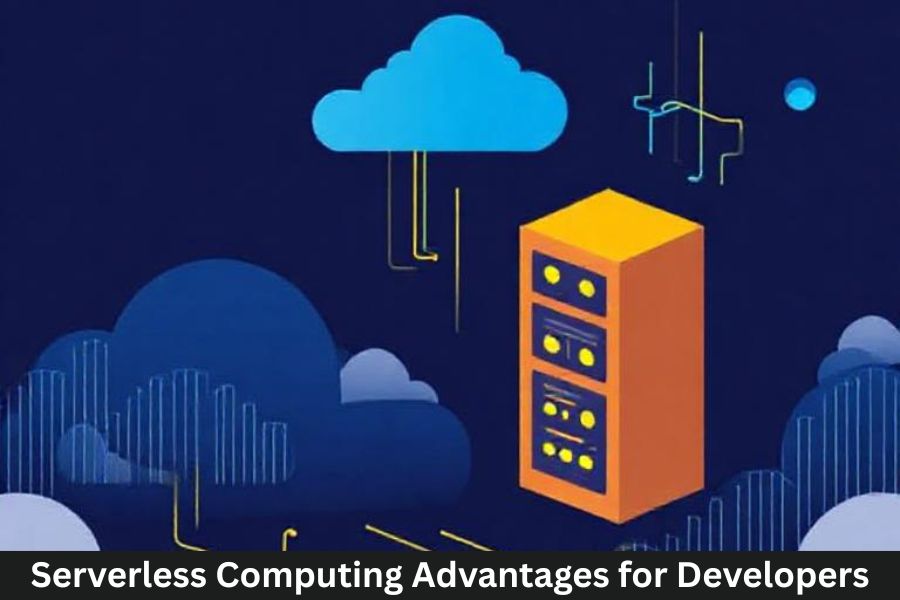
In the fast-paced world of software development, serverless computing has emerged as a game-changer. But what exactly does “serverless” mean? Simply put, serverless computing allows developers to focus on writing code without worrying about the underlying servers or infrastructure. It’s a cloud-computing model that automatically manages the hardware and infrastructure for you, so you can scale applications without manually managing resources.
The evolution of serverless computing is rooted in the shift from traditional server management to more dynamic and scalable environments, such as cloud platforms like AWS Lambda, Azure Functions, and Google Cloud Functions. Serverless computing takes away the need for provisioning, managing, or scaling servers, thus streamlining development and operational processes.
How Serverless Computing Works
At its core, serverless computing operates through the concept of Functions-as-a-Service (FaaS), where individual functions or pieces of code are executed in response to specific triggers, like HTTP requests, file uploads, or database updates. These functions are stateless and ephemeral, meaning they don’t persist once the execution completes.
Unlike traditional cloud computing models, where you lease a virtual machine or server for a fixed amount of time, serverless platforms like AWS Lambda run your functions on demand, paying only for the execution time. This makes it an incredibly flexible and cost-efficient way to build scalable applications.
Popular serverless platforms include:
- AWS Lambda – One of the most widely used serverless services, it lets you run code without provisioning servers.
- Google Cloud Functions – A serverless execution environment for building and connecting cloud services.
- Azure Functions – Microsoft’s serverless computing offering that integrates seamlessly with other Azure services.
Advantages of Serverless Computing for Developers
Reduced Infrastructure Management
One of the most significant benefits of serverless computing is the elimination of server management. Developers no longer have to spend time setting up, managing, or maintaining physical or virtual servers. Instead, they focus purely on writing and deploying code. Serverless platforms automatically handle scaling, patching, and maintenance, saving developers both time and effort.
Deployments are streamlined too. With serverless, you can easily push updates without needing to worry about server downtime or resource allocation, making it ideal for rapid iteration and prototyping.
Cost Efficiency
Serverless computing offers a pay-as-you-go pricing model, meaning developers only pay for the resources they use, not for idle server time. This is particularly beneficial for applications with unpredictable or low usage. With traditional server setups, you often need to over-provision to handle peak traffic, but with serverless, you’re billed only for the execution time your functions take.
Moreover, serverless computing can drastically reduce overhead costs associated with hardware maintenance, power consumption, and infrastructure management.
Scalability and Flexibility
Serverless platforms excel at auto-scaling. This means that no matter how much traffic your application gets, the serverless platform automatically adjusts the resources to handle it. This flexibility ensures that you won’t face performance bottlenecks during traffic spikes or resource shortages during low-traffic periods.
For instance, an e-commerce site during the holiday season can scale up quickly to handle the increased number of users without requiring additional manual configuration.
Faster Time-to-Market
With serverless computing, the focus shifts entirely to developing and deploying applications, not managing infrastructure. Developers can quickly deploy code with minimal configuration, cutting down the time it takes to release updates or launch new features. This speed translates to faster time-to-market, which is essential in today’s competitive tech landscape.
Increased Developer Productivity
By abstracting away infrastructure concerns, serverless computing frees developers from the complexity of managing servers, allowing them to focus on building features. Without the need for maintenance, testing, or debugging server issues, developers can channel their energy into writing better code and enhancing the user experience.
Disadvantages and Limitations of Serverless Computing
While serverless computing offers a lot of benefits, it’s not without its challenges.
- Vendor Lock-In – Serverless platforms are tightly integrated with the cloud providers they belong to (AWS, Google, Azure, etc.), making it difficult to switch providers without major adjustments to the codebase.
- Cold Start Latency – When a serverless function has not been called for a while, the initial request may experience some latency due to the function’s “cold start.” This can affect applications that require low-latency responses.
- Limited Execution Time – Many serverless platforms have execution time limits (e.g., AWS Lambda has a 15-minute execution time limit). This makes serverless computing unsuitable for long-running tasks.
Serverless vs Traditional Cloud Computing
The primary distinction between serverless and traditional cloud computing models is that in the serverless world, you don’t have to worry about the underlying infrastructure at all. With traditional cloud computing, you lease a server and manage it yourself. However, the serverless model abstracts away infrastructure concerns, allowing for more streamlined development and scalability.
Each approach has its advantages, but for developers who want to minimize operational overhead, serverless computing is often the better choice.
Use Cases for Serverless Computing
Serverless computing is perfect for certain use cases:
- Web Applications – Dynamic web apps that require quick scaling and minimal infrastructure management.
- Mobile Backends – Serverless is a great option for building APIs and handling back-end functions for mobile apps.
- Real-time Data Processing – Serverless can quickly handle and process real-time data from IoT devices, social media feeds, or logs.
Industries such as e-commerce, gaming, and finance are leveraging serverless computing for its cost-efficiency and scalability.
Best Practices for Developers Working with Serverless Computing
To make the most of serverless computing, developers should:
- Structure applications properly by breaking them into smaller, manageable functions.
- Optimize for performance by minimizing the code execution time and reducing the function size.
- Monitor and debug effectively using the built-in tools provided by cloud providers to troubleshoot issues quickly.
Security Concerns in Serverless Computing
Security is a critical consideration in serverless environments. Developers must ensure that API endpoints are secure, functions are properly isolated, and data is encrypted both at rest and in transit. Also, it’s important to carefully manage permissions and access controls to avoid unauthorized access.
Future of Serverless Computing
The future of serverless computing looks bright, with many predicting that it will become the standard for developing scalable applications. As cloud providers continue to improve their serverless offerings, expect more features, better performance, and broader adoption across industries.
Conclusion
Serverless computing has proven to be a game-changer for developers, providing them with increased flexibility, cost-efficiency, and productivity. By removing the complexity of managing servers and infrastructure, serverless allows developers to focus on what matters most: writing code and creating innovative applications. While it’s not without its challenges, the advantages far outweigh the drawbacks for many developers. As cloud technology continues to evolve, serverless will likely become even more integral to the development process.
FAQs
1. What are the main benefits of serverless computing for developers?
Serverless computing offers reduced infrastructure management, cost efficiency, scalability, and faster time-to-market.
2. How do developers handle scaling in serverless environments?
Serverless platforms automatically scale applications in response to traffic, so developers don’t have to worry about scaling manually.
3. What are the main challenges developers face when using serverless computing?
Challenges include vendor lock-in, cold start latency, and limitations on execution time.
4. Is serverless computing cost-effective for all types of applications?
Serverless is particularly cost-effective for applications with variable workloads, but may not be ideal for applications requiring long execution times.
5. Can serverless computing be used for enterprise-level applications?
Yes, many enterprises use serverless computing for various purposes, although they may need to carefully manage its limitations and optimize their applications accordingly.