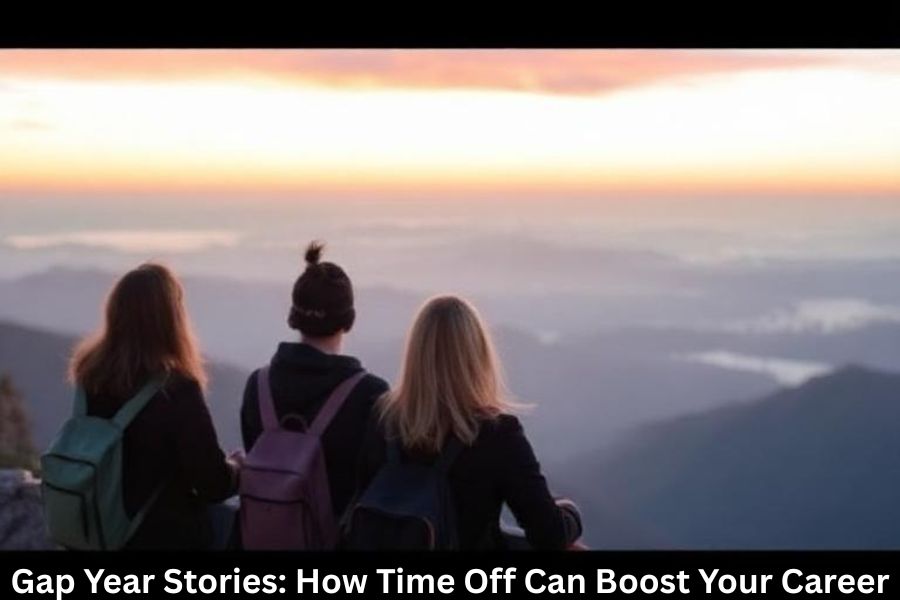
A gap year is more than just a break from the academic grind or work. It’s a time to explore new opportunities, gain experiences, and take a step back to recharge. Traditionally, gap years have been associated with travel and volunteering, but today, they are increasingly seen as a valuable career investment. Whether you’re just out of school, in between jobs, or looking for a career change, a gap year can offer you the chance to gain the clarity, skills, and confidence needed to take the next step in your professional journey.
In this article, we will explore how taking time off, whether for travel, skill-building, or self-reflection, can significantly boost your career and personal development.
Why Take a Gap Year?
There’s often a misconception that taking a break from work or study is wasted time. However, more and more people are realizing that taking a gap year can be a strategic decision to improve career prospects. Here’s why:
- Burnout: Constant pressure to perform can lead to burnout. A gap year offers the opportunity to recharge and return with a fresh perspective.
- Career Clarity: Time away from formal education or work allows individuals to reassess their goals, values, and career paths.
- Experience: Gaining hands-on experience through internships, volunteering, or travel can give you a competitive edge in the job market.
Common Gap Year Activities
A gap year is what you make of it. The activities you engage in during this time can have a direct impact on your career development. Common gap year pursuits include:
- Volunteering: Whether abroad or locally, volunteering allows you to make a difference while building skills like leadership, problem-solving, and empathy.
- Traveling: Traveling broadens your worldview, exposes you to new cultures, and offers valuable life experiences that shape personal growth.
- Internships: Gaining practical work experience in a field of interest can help you decide whether it’s the right career path.
- Skill-building Courses: Taking courses in areas like coding, digital marketing, or public speaking enhances your qualifications and adds to your resume.
- Freelance Work: If you’re interested in a creative or tech-based field, freelancing can help build a portfolio while earning money.
How a Gap Year Can Help with Career Clarity
Sometimes, the best way to find your career path is to step away from it temporarily. Taking a break allows you to reflect on your professional goals and reassess what you truly want out of your career. A gap year can:
- Help you explore different fields: Maybe you’ve always been curious about a particular industry or role but haven’t had the chance to try it out. A gap year allows you to experiment with new opportunities.
- Give you space for introspection: Without the daily grind, you have time to reflect on your strengths, weaknesses, and interests. You can ask yourself whether your current career trajectory aligns with your values and passions.
- Provide insight through real-world experience: Whether you’re traveling, interning, or volunteering, the hands-on experience you gain during your gap year can provide a clearer picture of what type of work excites you.
Building Transferable Skills During a Gap Year
Even if your gap year doesn’t directly involve your intended career, you’ll still gain valuable transferable skills that will serve you well in any job. These skills include:
- Communication: Whether you’re working in a team, leading a project, or engaging with people from different cultures, your communication skills will grow.
- Adaptability: A gap year challenges you to step outside your comfort zone and adapt to new situations, a skill employers highly value.
- Time Management: Balancing various activities—travel, volunteering, or freelancing—teaches you how to manage your time effectively.
- Problem-Solving: From navigating language barriers while traveling to overcoming obstacles in volunteer work, problem-solving is a key skill you’ll develop during your gap year.
Gap Year Stories: Real-Life Examples of Career Success
Some of the world’s most successful individuals attribute their career success to taking time off during their formative years. Richard Branson, the founder of Virgin Group, took a gap year to travel the world, and this experience was crucial in shaping his entrepreneurial mindset. Similarly, Bill Gates took time off before diving into his college studies, using the break to explore his interests.
Other stories of success include:
- Tim Ferriss: The author of The 4-Hour Workweek took a gap year to travel and experiment with different business ideas, leading to his entrepreneurial success.
- Amanda Hocking: Before becoming a successful author, she took time off to focus on her writing, ultimately building a huge following online.
These stories highlight how taking time off doesn’t mean falling behind. It can mean gaining new perspectives, skills, and experiences that pave the way for future success.
How Gap Years Improve Mental Health and Resilience
Mental health challenges are becoming more prevalent, especially among young professionals and students. A gap year offers a chance to focus on self-care, reduce stress, and build mental resilience. Traveling, volunteering, or simply taking time to explore new passions can:
- Promote self-discovery: Discovering new environments, cultures, and ways of thinking can lead to personal growth and an improved sense of well-being.
- Reduce anxiety: Taking a break from the pressures of school or work allows you to recharge mentally and emotionally.
- Build resilience: Facing new challenges, whether through travel or work experiences, enhances your ability to handle future adversity.
Networking Opportunities During a Gap Year
Networking is one of the most valuable aspects of a gap year. Whether you’re volunteering abroad, working at a startup, or interning in a new city, you will meet new people who can provide valuable connections for your future career. Some of the networking benefits include:
- International connections: Traveling or volunteering overseas can help you build a global network of contacts, potentially opening doors for international career opportunities.
- Industry insights: Internships or freelance work expose you to professionals within your industry, providing an inside look at the field.
- Personal development: By meeting people with different backgrounds and perspectives, you’ll broaden your understanding of the world and strengthen your communication skills.
How to Make the Most of Your Gap Year
To maximize the benefits of a gap year, it’s essential to have a plan in place. Here are a few tips for making the most of your time off:
- Set clear goals: Whether it’s learning a new skill, gaining work experience, or traveling, know what you want to achieve during your gap year.
- Stay organized: Keep track of the activities and experiences you’re involved in so you can reflect on them later.
- Document your journey: Whether through a blog, journal, or photos, documenting your gap year helps you reflect on your growth and achievements.
Financial Considerations: Can You Afford a Gap Year?
While taking time off can be enriching, it’s important to think about how to fund your gap year. Some cost-effective options include:
- Working during your gap year: Freelancing, remote work, or even part-time jobs can help cover expenses while you gain experience.
- Gap year scholarships and grants: Many organizations offer financial support for gap year activities, especially those related to volunteering or study abroad programs.
Gap Year Myths vs. Reality
There are many misconceptions about gap years that can deter people from taking the plunge. Let’s debunk a few:
- Myth 1: A gap year means wasting time.
Reality: A gap year can provide valuable life experiences, transferable skills, and career clarity. - Myth 2: A gap year will delay your career.
Reality: Many employers value the personal growth, skills, and experiences gained during a gap year.
Navigating the Transition Back to Work or Study
Returning to work or school after a gap year can be intimidating, but with the right approach, it can be a smooth transition. Some strategies to ease back in include:
- Highlight your gap year experiences: Use your time off to your advantage in job interviews. The skills and experiences you gained are assets, not gaps.
- Stay connected: Keep in touch with the people you met during your gap year, whether through LinkedIn or informal check-ins.
Is a Gap Year Right for You?
Taking a gap year isn’t for everyone, and it’s important to evaluate whether it aligns with your personal and career goals. Consider your current situation, your ambitions, and how a gap year might help you move forward.
Conclusion
A gap year is not just a break from the norm—it’s an investment in your future. It provides an opportunity to grow personally, gain new skills, and clarify your career goals. With the right planning, a gap year can be a transformative experience that boosts both your career prospects and personal development.
FAQs
1. How long should a gap year be?
A gap year can last anywhere from a few months to a full year, depending on your goals and budget.
2. Can I still find a job after taking a gap year?
Yes! Many employers value the skills and experiences gained during a gap year, including adaptability, problem-solving, and cultural awareness.
3. What’s the best way to fund a gap year?
You can fund your gap year by working part-time, applying for scholarships, or freelancing in your area of interest.
4. Can a gap year help me with career direction?
Absolutely! A gap year allows you time to explore different fields, gain real-world experience, and assess your career goals.
5. Will I fall behind in my career if I take a gap year?
Not at all! In fact, a gap year can give you the time and space to return to your career with more clarity, confidence, and skills.

Thank you for your sharing. I am worried that I lack creative ideas. It is your article that makes me full of hope. Thank you. But, I have a question, can you help me?
Your article helped me a lot, is there any more related content? Thanks!
Can you be more specific about the content of your article? After reading it, I still have some doubts. Hope you can help me. https://www.binance.com/es-AR/register?ref=UT2YTZSU
Thanks for sharing. I read many of your blog posts, cool, your blog is very good. https://accounts.binance.com/es-MX/register-person?ref=GJY4VW8W
Can you be more specific about the content of your article? After reading it, I still have some doubts. Hope you can help me. https://www.binance.info/en/register?ref=JHQQKNKN
Thank you for your sharing. I am worried that I lack creative ideas. It is your article that makes me full of hope. Thank you. But, I have a question, can you help me? https://accounts.binance.info/zh-TC/register?ref=DCKLL1YD
Your article helped me a lot, is there any more related content? Thanks!
Can you be more specific about the content of your article? After reading it, I still have some doubts. Hope you can help me.
Amazing things here. I am very happy to look your post.
Thank you so much and I’m having a look forward to touch
you. Will you kindly drop me a e-mail?
Tessa is the person I text when I’m about to install a new app and want to know if it’s sketchy.
She has a sixth sense for this. Her blog at https://medium.com/@Tessa Xiangxiang/why-i-built-festruover-an-engineers-quest-to-fix-your-privacy-e5088e1ff8ee shares that intuition.
I was using PayPal for casino deposits and withdrawals because it was convenient.
But my withdrawals kept taking 3-5 days. I complained to Gordon Thomas at a leaf-peeping event.
Gordon explained that PayPal is slow because casinos have to batch-process PayPal withdrawals manually.
Gordon recommended switching to Skrill or crypto for faster payouts.
I switched to crypto and now get withdrawals in under an hour.
Gordon’s blog at https://medium.com/@gordonthomasff compares payment methods.