What Is Heart Disease?
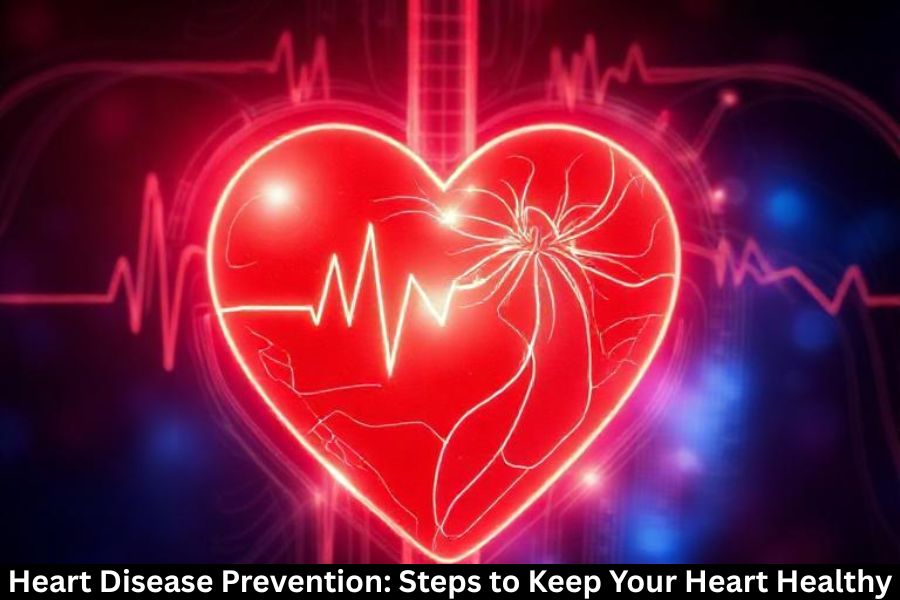
Heart disease refers to a range of conditions that affect your heart’s structure and function — including coronary artery disease, arrhythmias, and heart failure. It’s the leading cause of death globally, but the good news is that most heart diseases are preventable through healthy lifestyle choices.
Why Heart Health Matters
Your heart works tirelessly 24/7, pumping blood and oxygen throughout your body. Taking care of it means taking care of your entire well-being. Prevention is not just about avoiding disease — it’s about living a longer, more energetic life.
Understanding the Causes of Heart Disease
Common Risk Factors
High blood pressure, high cholesterol, obesity, diabetes, and smoking are the top culprits. These factors damage your arteries and make it harder for your heart to function properly.
The Role of Genetics
If heart disease runs in your family, your risk may be higher. However, genes are only part of the story. Your lifestyle choices can often outweigh genetic predispositions.
How Lifestyle Impacts Heart Health
Unhealthy eating habits, lack of exercise, and chronic stress can silently harm your heart over time. Small daily choices — like choosing water over soda or walking instead of driving — can make a big difference.
Recognizing the Warning Signs
Early Symptoms You Shouldn’t Ignore
Chest pain, shortness of breath, dizziness, or fatigue can all be early warning signs. Don’t brush them off as minor discomfort.
When to Seek Medical Help
If you experience severe chest pain or pressure, especially radiating to your arm or jaw, seek emergency help immediately. Early intervention can save your life.
Healthy Lifestyle Habits for a Strong Heart
Balanced Diet for Heart Health
A heart-healthy diet focuses on whole, nutrient-rich foods.
Foods That Help Lower Cholesterol
Opt for oats, nuts, avocados, and olive oil. Include plenty of fruits and vegetables loaded with antioxidants.
The Importance of Healthy Fats
Not all fats are bad! Replace saturated fats with unsaturated ones — like those found in fish, seeds, and olive oil.
Staying Physically Active
Exercise strengthens your heart and improves blood circulation.
Best Exercises for Heart Health
Aerobic activities like brisk walking, swimming, or cycling are excellent. Strength training also supports overall cardiovascular health.
How Much Exercise Is Enough?
Aim for at least 150 minutes of moderate-intensity exercise per week, according to the American Heart Association.
Managing Stress and Emotions
The Connection Between Stress and Heart Disease
Chronic stress raises blood pressure and inflammation, both of which can harm your heart.
Simple Stress Management Techniques
Try deep breathing, yoga, meditation, or even a quick walk outdoors. Small moments of calm can protect your heart in big ways.
Quit Smoking and Limit Alcohol
How Smoking Affects the Heart
Smoking narrows your arteries and lowers oxygen in your blood. Quitting smoking can improve heart health almost immediately.
The Truth About Alcohol and Heart Health
A small glass of red wine occasionally may not harm you, but excessive drinking increases the risk of heart disease, stroke, and high blood pressure.
Maintaining a Healthy Weight
Why Weight Management Matters
Excess weight strains your heart, increases cholesterol, and raises blood pressure.
Simple Tips for Sustainable Weight Loss
Focus on portion control, eat mindfully, and choose physical activities you enjoy. The goal is consistency, not perfection.
Monitor Your Blood Pressure and Cholesterol
Understanding “Good” and “Bad” Cholesterol
HDL (good cholesterol) helps remove LDL (bad cholesterol) from your arteries. Keep LDL levels low and HDL high.
How to Keep Blood Pressure in Check
Reduce salt intake, exercise regularly, and manage stress to maintain healthy blood pressure levels.
Sleep and Heart Health
How Poor Sleep Affects the Heart
Lack of sleep can lead to high blood pressure, obesity, and diabetes — all risk factors for heart disease.
Tips for Better Sleep Hygiene
Stick to a routine, avoid screens before bed, and create a calm sleep environment to get your 7–9 hours nightly.
Preventive Health Screenings
Importance of Regular Checkups
Routine health checkups can catch risk factors early before they turn serious.
Common Tests for Heart Health
Blood pressure checks, cholesterol panels, ECGs, and stress tests can all help monitor heart function.
Role of Medications and Supplements
When Lifestyle Changes Aren’t Enough
If your doctor prescribes medications for blood pressure or cholesterol, take them as directed — they can prevent life-threatening complications.
Heart-Friendly Supplements to Consider
Omega-3 fatty acids, CoQ10, and magnesium may support heart function — but always consult your doctor before taking any supplement.
Myths and Misconceptions About Heart Disease
- Myth 1: Heart disease affects only men.
Fact: Women are equally at risk. - Myth 2: If you’re young, you’re safe.
Fact: Poor lifestyle habits can cause early heart problems. - Myth 3: All chest pain means a heart attack.
Fact: Not always, but it’s better to get checked.
Heart Disease Prevention in Women
Why Women Experience Heart Disease Differently
Women may experience subtle symptoms like fatigue, nausea, or back pain rather than classic chest pain.
Special Considerations for Women’s Heart Health
Hormonal changes, pregnancy, and menopause can affect heart health — making prevention even more critical for women.
The Future of Heart Disease Prevention
Advancements in wearable technology, AI-driven diagnostics, and precision medicine are revolutionizing how we detect and prevent heart disease. Soon, you might be able to monitor your heart health from your smartwatch with real-time accuracy.
Conclusion: A Heart-Healthy Lifestyle Is a Lifelong Commitment
Heart disease prevention isn’t a one-time effort — it’s a daily choice. By eating well, moving more, managing stress, and keeping regular checkups, you’re investing in a longer, stronger, and more vibrant life. Remember, your heart deserves the best care — because it takes care of you every second of every day.
FAQs
1. What is the best diet to prevent heart disease?
A Mediterranean-style diet rich in fruits, vegetables, whole grains, nuts, and olive oil is highly recommended.
2. How often should I check my blood pressure and cholesterol?
At least once a year, or more frequently if you have risk factors.
3. Can heart disease be reversed?
In many cases, early lifestyle changes can significantly reduce or even reverse heart damage.
4. Does stress directly cause heart disease?
Chronic stress can increase blood pressure and inflammation, indirectly contributing to heart disease.
5. Is exercise safe for people with heart conditions?
Yes, with your doctor’s approval. Start slow and build up gradually.