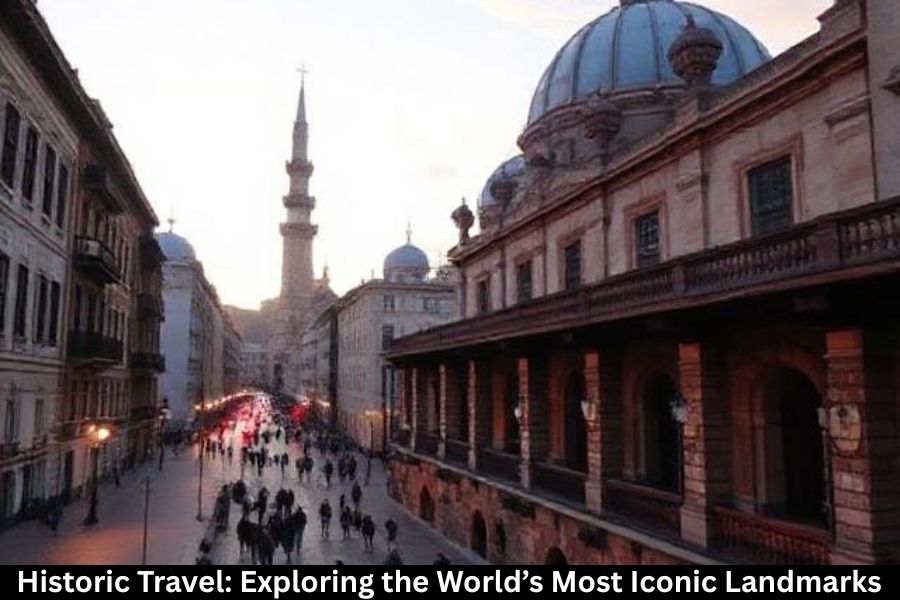
Traveling through history allows us to walk in the footsteps of ancient civilizations, feel the weight of time beneath our feet, and connect with humanity’s collective story. Every castle, ruin, and monument tells a tale of triumph, innovation, and endurance. Historic travel isn’t just sightseeing—it’s soul-searching.
The Allure of Time Travel Through History
There’s something magical about standing where history was made. From medieval fortresses to sacred temples, these destinations whisper stories of past empires, revolutions, and cultural rebirths. Historic travel lets us become part of a living narrative that continues to shape our present.
What Defines a Historic Landmark?
Cultural Significance
Historic landmarks are places that embody the values, traditions, and identity of a civilization. They represent how people once lived, worshiped, and celebrated life.
Architectural Brilliance
From intricate carvings to monumental designs, these structures showcase the genius of ancient builders who created marvels that defy time.
Preservation of Heritage
Historic landmarks remind us of our shared past—and the importance of preserving it for future generations.
Top Historic Landmarks Around the World
The Great Wall of China – A Monument of Strength
Stretching over 13,000 miles, the Great Wall stands as a testament to human determination and engineering mastery. Originally built for defense, it now symbolizes unity and resilience.
The Colosseum, Rome – Echoes of Ancient Glory
Once home to gladiator battles and grand spectacles, the Colosseum represents the grandeur and complexity of the Roman Empire. Its arches and ruins tell tales of courage and culture.
Machu Picchu, Peru – The Lost City of the Incas
Hidden high in the Andes, Machu Picchu remains one of the world’s most awe-inspiring archaeological sites. Its terraces and temples blend seamlessly with nature, revealing the Inca’s advanced craftsmanship.
The Pyramids of Giza, Egypt – Ancient Wonders Still Standing
Built over 4,000 years ago, the pyramids continue to mystify historians and travelers alike. Their precise alignment and massive scale remain unmatched in architectural history.
The Taj Mahal, India – A Timeless Love Story in Marble
Commissioned by Emperor Shah Jahan in memory of his wife Mumtaz Mahal, the Taj Mahal is not just a masterpiece of Mughal architecture—it’s a symbol of eternal love.
Angkor Wat, Cambodia – The Heart of the Khmer Empire
This sprawling temple complex showcases Khmer artistry and devotion. As the world’s largest religious monument, Angkor Wat captures both spiritual and architectural brilliance.
Petra, Jordan – The Rose-Red City Lost in Time
Carved directly into sandstone cliffs, Petra’s ancient façades glow with a reddish hue at sunrise. Once a bustling trade hub, it now stands as a hauntingly beautiful relic.
Stonehenge, England – Mysteries of the Megaliths
No one knows exactly why or how Stonehenge was built, but its alignment with celestial patterns suggests it was a place of ritual and cosmic wonder.
Chichen Itza, Mexico – The Legacy of the Maya
This Mayan city showcases advanced astronomical knowledge. The Pyramid of Kukulcán aligns perfectly with the equinox, reflecting the Maya’s deep connection to the cosmos.
The Acropolis, Greece – Birthplace of Western Civilization
Dominating Athens’ skyline, the Acropolis houses the Parthenon and other ancient structures that embody democracy, philosophy, and art.
Historic Cities That Tell Stories
Rome, Italy
Every corner of Rome breathes history—from the ruins of the Roman Forum to the grandeur of St. Peter’s Basilica.
Kyoto, Japan
Once Japan’s imperial capital, Kyoto preserves traditional tea houses, wooden temples, and the graceful art of geisha culture.
Istanbul, Turkey
Straddling two continents, Istanbul blends Byzantine, Roman, and Ottoman heritage, offering a fascinating crossroad of civilizations.
Cusco, Peru
The former capital of the Inca Empire still holds its cultural charm through ancient stone streets and colonial architecture.
UNESCO World Heritage Sites You Can’t Miss
UNESCO’s World Heritage Sites safeguard humanity’s most precious landmarks. From France’s Mont-Saint-Michel to Morocco’s Medina of Fez, each site represents cultural and historical excellence worth exploring.
Lesser-Known Historic Gems
Bagan, Myanmar
Home to over 2,000 temples and pagodas, Bagan’s sunrise views are nothing short of breathtaking.
Dubrovnik, Croatia
Known as the “Pearl of the Adriatic,” Dubrovnik’s fortified walls and cobblestone streets echo centuries of maritime power.
Lalibela, Ethiopia
Famed for its rock-hewn churches carved from a single piece of stone, Lalibela remains one of Christianity’s holiest sites.
The Role of Architecture in Preserving History
Architecture is history’s handwriting. Through design, materials, and craftsmanship, we can read the story of societies that shaped our modern world. Preservation ensures that these lessons endure.
Cultural Etiquette When Visiting Historic Sites
Be respectful. Dress modestly, follow local customs, and avoid touching or climbing on ancient structures. Remember—you’re a guest in the story of humanity.
The Importance of Sustainable Historic Tourism
Mass tourism can harm fragile heritage sites. Choose eco-friendly tours, support local artisans, and travel responsibly to ensure these landmarks survive for generations to come.
Tips for Exploring Historic Destinations
Hire Local Guides
Local guides bring history to life with authentic stories and insights that you won’t find in guidebooks.
Visit Museums and Cultural Centers
Museums offer valuable context that enriches your understanding of the sites you visit.
Travel During Off-Peak Seasons
Avoid crowds and protect the integrity of the landmarks by visiting during quieter times of the year.
Modern Technology Meets Ancient History
Virtual tours, 3D reconstructions, and augmented reality apps now allow travelers to experience history in new and immersive ways—bridging the past with the present.
Why Historical Travel Enriches the Soul
Historic travel isn’t just educational—it’s transformational. It fosters gratitude, curiosity, and a deeper appreciation for the resilience of humanity. When you walk through ancient ruins, you’re reminded of our shared legacy and enduring spirit.
Conclusion: Walking Through the Footsteps of History
Exploring the world’s most iconic landmarks is more than a journey—it’s a dialogue with the past. From the grandeur of the Pyramids to the mystique of Machu Picchu, these sites remind us that civilizations rise and fall, but their stories live on. So pack your curiosity, respect the past, and embark on an unforgettable trip through time.
FAQs
Why is historic travel important?
It connects us to our roots, deepens our understanding of different cultures, and preserves human history.
What are the best historic landmarks to visit?
Landmarks like the Great Wall of China, Machu Picchu, and the Colosseum are must-sees for history lovers.
How can I travel responsibly to historic sites?
Follow conservation rules, avoid littering, and support local communities.
Which countries have the most UNESCO World Heritage Sites?
Italy, China, and Spain top the list with the highest number of heritage sites.
Can modern travelers access ancient ruins safely?
Yes, most sites are open to visitors, though some have restricted areas to ensure preservation.