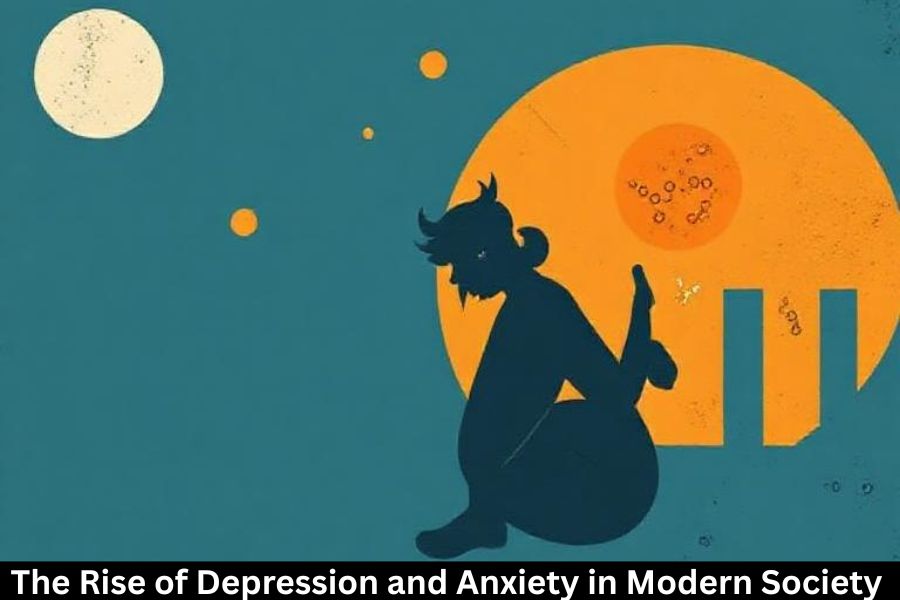
In today’s fast-paced world, mental health struggles like depression and anxiety are no longer rare — they’re becoming the norm. More people than ever are reporting feelings of sadness, worry, and emptiness. But why is this happening? What is it about modern life that’s fueling such emotional turmoil? Let’s take a deep dive into this rising epidemic.
Understanding Depression and Anxiety
What Is Depression?
Depression isn’t just feeling sad for a few days. It’s a prolonged state of hopelessness, fatigue, and disinterest in life. People with depression often struggle to find joy, even in things they once loved.
What Is Anxiety?
Anxiety, on the other hand, is a constant state of fear or nervousness. It’s like your brain is always expecting danger — even when there’s none. It can cause restlessness, racing thoughts, and even physical symptoms like a pounding heart or shortness of breath.
How They Differ Yet Overlap
While they’re separate conditions, depression and anxiety often go hand in hand. Many people experience both — a mix of sadness and relentless worry that can make everyday life feel overwhelming.
The Statistics That Speak Volumes
According to the World Health Organization (WHO), over 280 million people worldwide suffer from depression, while anxiety disorders affect more than 300 million. The numbers have spiked dramatically, especially after the COVID-19 pandemic. Among young adults, rates of depression have nearly doubled in the last decade. Clearly, this is not just a personal issue — it’s a societal one.
Root Causes of Rising Depression and Anxiety
Technology and Social Media Overload
Social media connects us — but at what cost? Constant scrolling creates an illusion of connection while deepening loneliness. Comparing our real lives to others’ highlight reels fuels insecurity and discontent.
Economic Pressures and Job Insecurity
Modern life is expensive and uncertain. From student loans to rising living costs, financial pressure weighs heavily on mental health. The “hustle” culture glorifies overwork, leaving little time for rest or joy.
Urbanization and Isolation
Ironically, as cities grow, so does loneliness. People live surrounded by millions, yet feel unseen. Real human connection has been replaced by fleeting digital interactions.
Lifestyle and Health Factors
Poor diet, lack of exercise, and sleep deprivation play a huge role. The brain needs rest and nutrients to function — without them, emotional balance collapses.
The Role of Social Media
Platforms like Instagram and TikTok often promote perfection. Filters, followers, and likes can become addictive sources of validation. Over time, this leads to anxiety and low self-worth. Social media detoxes — even for a week — can help reset your mental space.
The Impact of Work and Hustle Culture
“Busy” has become a badge of honor. But constantly working without rest leads to burnout, fatigue, and emotional numbness. A healthy work-life balance isn’t a luxury — it’s a necessity for mental stability.
How the Pandemic Accelerated Mental Health Decline
COVID-19 forced isolation and uncertainty on a global scale. Fear of illness, job loss, and death took a massive psychological toll. Even after restrictions lifted, the lingering anxiety and grief didn’t disappear.
The Stigma Around Mental Health
Despite awareness, many still fear judgment for seeking help. In some cultures, mental health issues are seen as weakness. Breaking this stigma is vital — mental illness is no different from physical illness. Seeking help is strength, not shame.
The Role of Family and Society
Families often lack the emotional tools to support loved ones. Teaching emotional intelligence in schools and homes can change this. When society prioritizes empathy over performance, healing begins.
The Science Behind Depression and Anxiety
Both conditions involve brain chemistry — imbalances in serotonin, dopamine, and cortisol levels. Genetics play a part, but environment and lifestyle can trigger or worsen symptoms.
Strategies to Manage Depression and Anxiety
Therapy and Counseling
Talking helps. Cognitive Behavioral Therapy (CBT), mindfulness-based therapy, and other methods allow individuals to understand and manage their emotions better.
Medication and Medical Interventions
For some, therapy alone isn’t enough. Antidepressants and anti-anxiety medications, under medical supervision, can help restore chemical balance.
Self-Help and Lifestyle Changes
Small daily changes — like exercising, journaling, or meditating — have a huge impact. Think of it like training your mental muscles for resilience.
The Importance of Digital Boundaries
Constant notifications overload your mind. Setting screen limits and unplugging helps you reconnect with the real world and your inner self.
Building Emotional Resilience
Emotional resilience means bouncing back from stress. Practice gratitude, stay socially connected, and remind yourself that setbacks are part of life’s rhythm.
Conclusion
Depression and anxiety are not personal failures — they’re human experiences intensified by modern pressures. The good news? We have the power to change. By nurturing emotional well-being, breaking stigma, and building supportive communities, we can create a world that values mental health as much as physical health.
FAQs
What are the most common causes of anxiety and depression today?
Common causes include social media pressure, financial stress, work burnout, and lack of human connection.
Can lifestyle changes really help with mental health?
Yes! Exercise, meditation, good sleep, and proper nutrition can significantly improve mood and resilience.
How does social media impact mental well-being?
It often promotes comparison and unrealistic standards, leading to feelings of inadequacy and anxiety.
When should someone seek professional help?
If sadness, worry, or exhaustion persist for weeks and interfere with daily life, it’s time to reach out for professional help.
What can we do as a society to reduce mental health stigma?
Encourage open conversations, educate communities, and treat mental health as equally important as physical health.